3D Printing Flow Rate Calculator
Free 3D printing flow rate calculator: volumetric Q from layer height, line width, and speed; inverse speed from target Q; filament feed hint; donut vs reference; bar charts; scenario rows—plus guide. Educational only.
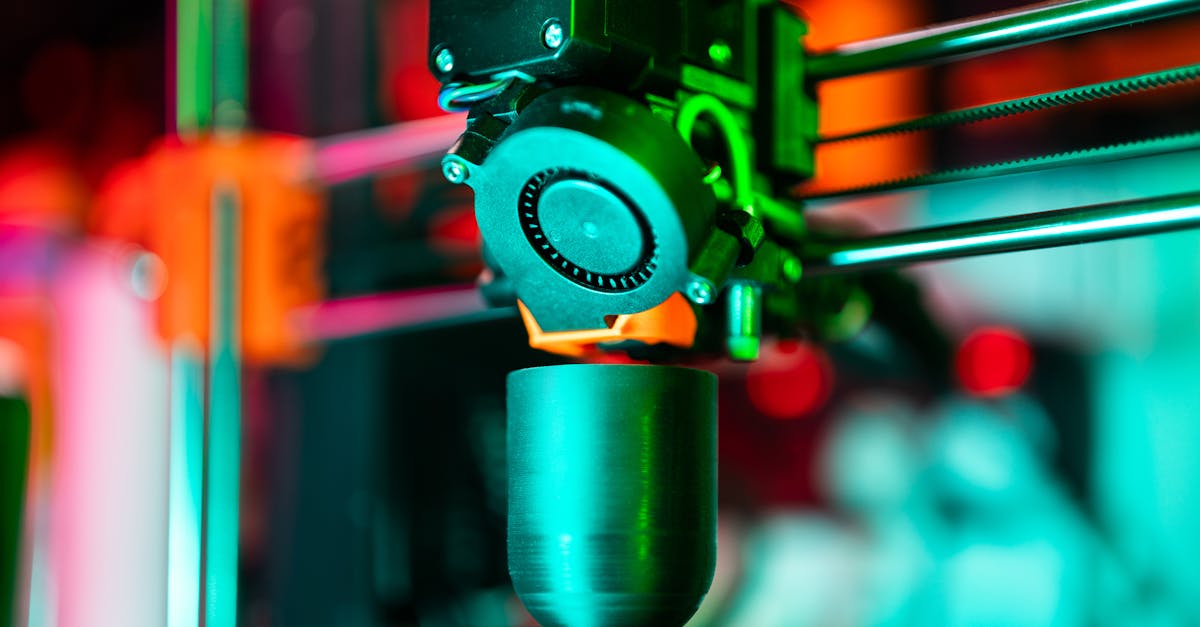
Hot-end limit: Volumetric flow is bounded by melting capacity, nozzle diameter, and material. This tool computes the idealized extrusion lane flow Q ≈ layer height × line width × print speed—then charts sensitivity. It does not know your heater cartridge, PT100 drift, or pressure advance tuning.
Summary: Use forward mode for Q in mm³/s (and cm³/min) from layer height, line width, and speed—or inverse mode to find the speed needed to hit a target Q. Charts mirror other calculators here: speed sweep, line-width sweep, layer-height sweep, plus a donut comparing volumetric flow to a reference notch you can treat as a sanity line for PLA-ish desktop talk (editable).
Equations (short)
- Cross-section (mm²): \(A = h \times w\) (layer height × extrusion line width).
- Volumetric flow (mm³/s): Q = A × v with v = average print speed in mm/s along the path.
- cm³/min: Q × 60 ÷ 1000.
- Inverse speed: v = Qtarget ÷ A when A > 0.
- Filament feed hint (mm/s): vfil ≈ Q ÷ (π r²) for nominal filament diameter—useful for cross-checking extruder gears vs slicer.
3D printing flow rate calculator (volumetric mm³/s)
Match your slicer’s line width and layer height to the same values used for speed previews. If numbers disagree wildly, your slicer is probably capping flow with max volumetric speed or cooling minimums.